Aortic Sciences Releases v4 of Its Aortic Dissection Risk Platform
Built by a patient who received three different risk estimates from three surgeons, the platform generates a personalized, year-by-year dissection risk report in seconds.
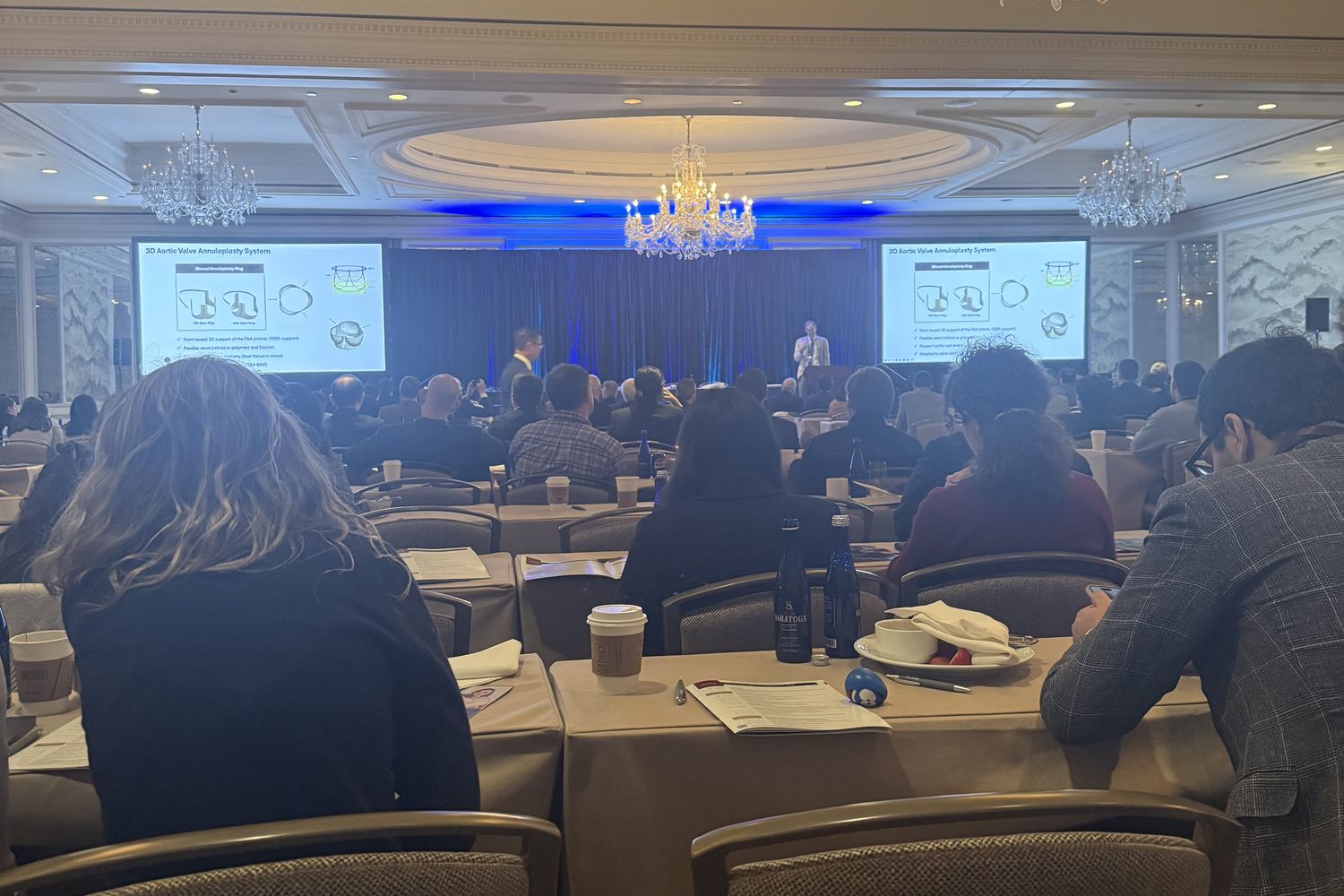
NEW YORK — Aortic Sciences has released version 4 of its Aortic Adverse Event Risk Report platform — an evidence-based clinical tool giving physicians and patients a standardized, personalized projection of aortic dissection risk over a 30-year horizon. The v4 methodology was presented on September 19, 2026 at the Valve Repair Symposium in Philadelphia.
The platform was born from its founder's own experience. When Dan Brodsky was told he needed open-heart surgery for an ascending aortic aneurysm, he asked three cardiac surgeons about his risk of dissection — and received three widely varying answers, with no way to see how that risk might evolve over time.
“I got three different answers to the most important question I had, and no tool existed to reconcile them. So I built the tool I wished I'd had.”Dan Brodsky, Founder & CEO
Aortic Sciences combines peer-reviewed evidence and current practice guidelines into a single standardized assessment, applying literature-derived risk multipliers for factors such as hypertension, valve and root involvement, family history, and genetic disease. The result is a year-by-year projection presented alongside operative mortality for comparison — generated in seconds through a secure web portal, with no software to install, no EMR integration, and no protected health information stored.
That standardization is the point. Aortic disease is managed across specialties — the radiologist who first measures the aneurysm, the cardiologist who follows it, and the cardiac surgeon who weighs repair. A common third-party framework means a second opinion yields the same number — often what gives a patient the confidence to act. With emergency dissection carrying an estimated 21–25% 30-day mortality against roughly 1–2% for elective repair, turning an abstract percentage into a clear personal trajectory helps the right patients commit to timely intervention.